Running in the Red Matters
A Call to Action for Aspiring Candidates and future political activists

My Personal Moment of Realization
After the devastating Texas freeze, where hundreds of Texans froze to death due to a catastrophic lack of infrastructure and governmental leadership, my family and I knew we couldn’t just wait for change, we needed to act. Our state’s leadership had failed us. Instead of stepping up in a moment of crisis, they tucked and ran, leaving communities to fend for themselves. It was clear to me: if I was going to stay in Texas, I had to advocate for my family and for the working-class families who had been abandoned.
So, I decided to run for something. In my first race for city council in a small Collin County city, I lost by just two votes. That loss was eye-opening, it taught me that every single vote counts and that meeting voters where they are is essential to success.
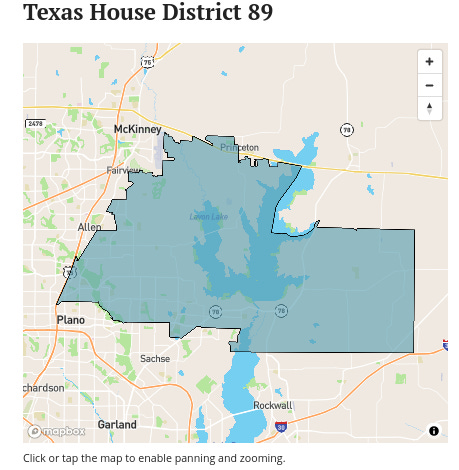
In 2024, I took the fight further, running for Texas House District 89 in the most conservative district in Collin County. During a year when Democrats suffered heavy losses across the nation, especially in Texas, I won 40% of the vote. That campaign reinforced my belief that when we show up, listen, and connect with voters, even the deepest-red districts can begin to change.
This is why Running in the Red matters. It’s about more than winning elections. It’s about laying the groundwork for representation, hope, and change, even in places where it feels impossible.
Contesting Every Race Is Essential
Every unchallenged seat is a missed opportunity, and the cost is more than political—it’s personal. Here’s why contesting every election, even in deeply conservative districts, is essential:
Voter Data Is Gold: Running a campaign, even in a seemingly unwinnable district, generates invaluable voter data. Every canvass, call, and interaction provides insights into where Democratic voters live, what issues move them, and which independents can be persuaded. This data builds a stronger foundation for future campaigns and strengthens the Democratic Party’s ability to compete statewide. We cannot afford to leave potential supporters untapped.
Energizing Our Base: When we don’t run candidates, it sends the wrong message to Democrats in conservative areas: that their voices don’t matter and their votes won’t count. Contesting every race tells Democratic voters, You’re not alone. We see you, and we’re fighting for you. This emboldens progressive voters and motivates them to show up, not just for this election, but for every election.
Forcing Republicans to Fight: When Democrats sit out a race, Republicans have a free ride. By contesting every seat, we force them to spend resources, explain their unpopular positions, and confront their records. Every dollar they spend defending their strongholds is a dollar they can’t spend expanding their influence.
Every race matters. Every conversation matters. Every vote matters. When we step up, we not only gain ground, we also show voters that progressive leadership is about service, courage, and hope.
The Power of Working-Class Leadership
If we are ever to be properly represented in this two-party system, we need working-class candidates and working-class supporters to come together. Our families’ lives depend on it. For too long, our government has been dominated by the wealthy and disconnected elite, making decisions that prioritize their donors over their constituents.
But here’s the truth: the experiences of working-class Americans are exactly what our government needs. When a teacher advocates for fair education funding, or when a nurse fights for better healthcare policies, their voices carry the weight of lived experience. They understand the issues not as abstract policies but as tangible realities.
When I ran for office, I learned that voters responded most to authenticity. They saw me not as a polished politician but as someone who had lived their struggles, whether it was fighting for affordable healthcare, stable jobs, or reliable infrastructure. This is why we need more working-class folks to step into the arena. It’s not just about winning elections; it’s about changing the conversation and reminding people that their government can work for them.
Challenges That Spark Opportunity
Running in a conservative stronghold isn’t easy. It requires grit, determination, and a willingness to face skepticism head-on. But where others see challenges, we see opportunities to grow, inspire, and lead.
Connecting Across Differences: Knocking on doors, attending local events, and having face-to-face conversations aren’t just campaign tactics, they’re acts of bridge-building. These moments allow you to connect with voters who might never have considered a progressive platform before. By listening to their concerns and sharing solutions rooted in their lived experiences, you’re not just campaigning, you’re strengthening the bonds of democracy.
Building Grassroots Power: Even if you don’t win your first race, your efforts leave a lasting mark. Every door you knock on, every volunteer you inspire, and every new voter you activate strengthens the progressive movement in your district. These efforts lay the foundation for future campaigns, turning small victories today into sweeping changes tomorrow.
Reclaiming the Narrative: For too long, progressive candidates have been labeled as “out of touch” with working-class and rural America. But nothing could be further from the truth. When you tell your story, whether as a teacher, nurse, small business owner, or simply as a neighbor, you prove that progressives understand the struggles of everyday people because we live them. Sharing your story isn’t just about earning votes; it’s about inspiring others to believe that someone like them can lead, too.
These challenges aren’t roadblocks, they’re stepping stones to something greater. Each one is an opportunity to change minds, spark hope, and show voters that progress is possible in every community, no matter how “red” it may seem.
Progressive Ideas Are Winning Ideas
It’s a myth that progressive policies can’t resonate in conservative areas. In reality, many progressive priorities, when framed through the lens of local issues, are popular across the political spectrum. Here’s how we can connect:
Affordable Healthcare: Families in red districts struggle with rising medical costs. Policies like expanding Medicaid or investing in community health clinics directly address their pain points and resonate with their lived experiences.
Strong Public Schools: Parents, regardless of political affiliation, want their children to have access to quality education. Progressive policies like fair teacher pay, smaller class sizes, and fully funded public schools cut through the noise of partisan politics.
Good-Paying Jobs: Economic insecurity is a shared concern. Policies like investing in infrastructure, clean energy, and local industries resonate because they bring tangible benefits to struggling communities.
These aren’t just Democratic ideas, they’re solutions to problems that affect everyone. Running in the red gives us the opportunity to connect with voters who feel abandoned by both parties and show them that progressives have real answers to their struggles.
A Call to Action: Step Into the Arena
Running in a conservative district isn’t just about flipping a seat; it’s about laying the groundwork for change. Every campaign builds momentum, strengthens our networks, and grows our movement.
This is the mission of my book, Running in the Red: A Democrat’s Guide to Running for Office in a Conservative Stronghold. I wrote it to help working-class candidates and those looking to get involved in Democratic and progressive politics. This book is your roadmap, offering practical strategies and motivational lessons from the campaign trail. My goal is to empower everyday people to step up, take action, and drive the change our communities desperately need.
In addition to the book, I’ll be posting regularly on Substack to share insights, strategies, and stories aimed at building a stronger progressive movement. I invite you to join this journey, as a reader, a supporter, and maybe even a future candidate.
If you’ve ever thought, Someone should fix this, that someone might be you. Here’s how to get started:
Educate Yourself: Learn the basics of campaigning, from voter outreach to fundraising. Free resources like the National Democratic Training Committee, Arena, and local Democratic Party tools can help you hit the ground running.
Engage Your Community: Start small. Attend city council meetings, organize neighborhood events, and build relationships with local leaders. These connections are the foundation of every successful campaign.
Commit to Running: Don’t wait for permission or the perfect moment. Declare your candidacy, start talking to your neighbors, and let your passion lead the way.
Let’s Make Every Race a Fight
Our democracy is at a crossroads. Rising inequality, voter suppression, and divisive politics threaten the fabric of our communities. But we can’t let fear or fatigue stop us from fighting.
Progressive ideas aren’t just theoretical, they’re practical, winning strategies that improve people’s lives. By contesting every race, we remind voters that their voices matter, we challenge Republicans to defend their failures, and we build the infrastructure needed for long-term success.
The next great progressive leader could be reading this right now. Maybe it’s you. Maybe it’s someone you know. Whoever it is, the time to act is now especially today on the anniversary of January 6th.
What do you think?
Have you ever considered running for office or supporting a campaign?
What challenges do you think working-class candidates face in politics today?
Which progressive issues resonate most with you, and why?
Let’s start a conversation. Share your thoughts in the comments, and don’t forget to subscribe to Running in the Red on Substack to stay connected and informed. Together, we can make every race matter.
Inspiring and well said!
Great read